



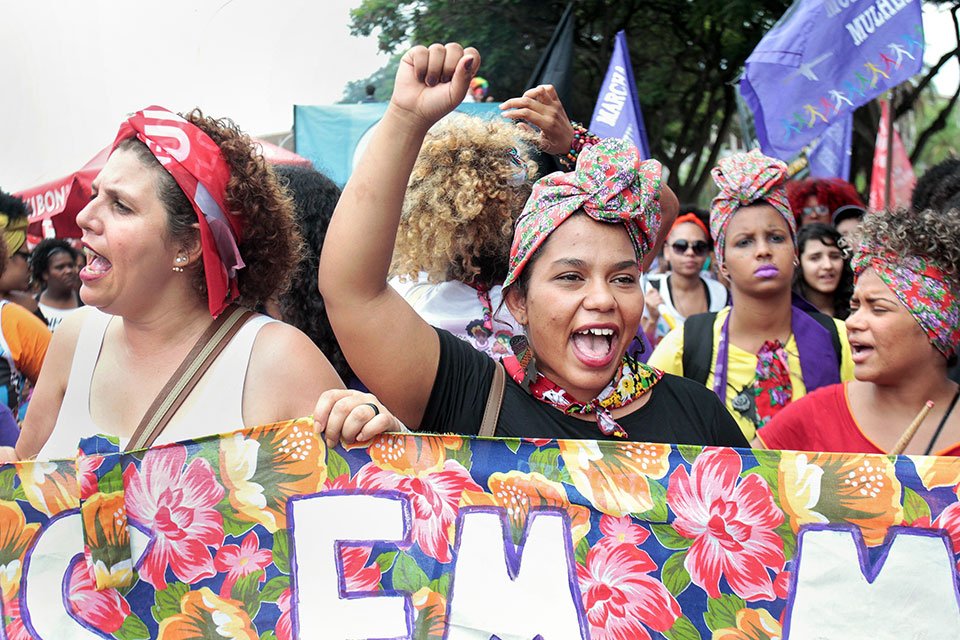
Women’s rights issues are a pressing and fundamental aspect of modern society, encompassing areas such as reproductive rights, equal pay, and gender-based violence. Many women around the world still face discrimination, inequality, and limited access to educational and economic opportunities due to their gender.
Efforts to address these issues are crucial for achieving gender equality and creating a more inclusive and just society for all individuals. Intersectional approaches that consider the varying experiences of women from diverse backgrounds are essential in effectively addressing these complex challenges.
By advocating for policy reforms, promoting awareness, and fostering cultural change, we can work towards a world where women’s rights are recognized, respected, and protected. Such efforts are vital for building a future where all individuals can thrive, regardless of their gender.

Credit: www.rightsofequality.com
The History Of Women’s Rights
Women’s rights issues have a long and complex history, with early challenges often rooted in societal norms and cultural traditions dictating the role of women in various aspects of life. Throughout history, women have faced various obstacles in their pursuit of equality, from disenfranchisement to limited educational and professional opportunities. The women’s rights movement has achieved significant milestones over the years, including the right to vote, reproductive rights, and advancements in gender equality legislation. These milestones have brought about notable improvements in the legal and social status of women, although challenges persist in the ongoing quest for full gender equality.
Gender Equality In The Workplace
Gender equality in the workplace is a crucial aspect of women’s rights issues. The wage gap remains a prevalent concern, impacting women’s financial independence and long-term economic security. Bridging this gap is essential for creating fair and inclusive work environments. Breaking traditional gender roles in the workplace is a significant step towards achieving true gender equality. Encouraging diversity and inclusivity can foster a more equitable and empowering workplace culture for all employees.
Advocacy And Support For Women
Women’s rights issues encompass a wide range of important topics, including the advocacy and support for women in areas such as fighting for reproductive rights and the importance of access to education. The fight for reproductive rights is crucial in ensuring that women have the ability to make decisions about their own bodies and futures. Additionally, access to education for women plays a vital role in empowering them and breaking down barriers to gender equality. By advocating for these issues, we can create a more equitable society for all.
Addressing Violence Against Women
Violence against women, particularly in the form of domestic abuse, continues to be a pervasive issue affecting societies worldwide. Statistics reveal the alarming prevalence of domestic violence, underscoring the urgent need for comprehensive measures to tackle this problem. Empowering survivors is crucial, providing them with the necessary support systems and resources to rebuild their lives. Simultaneously, preventive initiatives play a vital role in breaking the cycle of abuse. By fostering awareness, education, and advocacy, society can strive towards creating a safer environment for women. Addressing these pressing women’s rights issues demands a concerted effort, with individuals, communities, and authorities working collaboratively to effect meaningful change.
Empowering Women Through Political Participation
The significance of women in politics cannot be overstated. Women’s political participation is essential for achieving gender equality and creating a more inclusive and representative government. By increasing women’s political representation, we can address gender-specific issues and promote policies that benefit women and their communities.
Healthcare Access For Women
Advocating for comprehensive women’s healthcare is essential in addressing the impact of healthcare inequalities on women. Access to quality healthcare services directly influences women’s ability to lead healthy and fulfilled lives. These inequalities can result in limited access to reproductive healthcare, preventative screenings, and effective treatments for various health conditions. Addressing these disparities requires advocacy for policies that support equitable access to healthcare, including affordable insurance coverage and accessible clinics and hospitals. Furthermore, promoting education and awareness about women’s health issues is crucial in ensuring that all women have the information and resources they need to make informed decisions about their healthcare.
Promoting Diversity And Inclusion
Promoting diversity and inclusion is imperative for advancing women’s rights issues. By celebrating women’s diversity and intersectionality, we can cultivate environments that honor the multifaceted identities of women. Creating inclusive spaces for LGBTQ+ women is crucial in ensuring that all women are represented and supported. These efforts involve acknowledging and addressing the unique challenges and discrimination faced by LGBTQ+ women, while also striving to amplify their voices and experiences. By prioritizing inclusivity and embracing the diverse spectrum of womanhood, we can work towards a more equitable and empowering future for all women.
Empowering Women Through Economic Opportunities
Women’s rights issues are interconnected with economic empowerment, which involves fostering entrepreneurship and promoting financial independence. Providing opportunities for women to start their own businesses or pursue economic ventures is crucial in breaking down traditional barriers. When women are able to achieve financial independence, they gain more control over their lives and are better able to advocate for their rights. Overcoming financial barriers, such as limited access to capital and financial education, is essential in enabling women to create sustainable livelihoods. By providing the resources and support necessary for women to succeed economically, society can work towards advancing and securing women’s rights on a broader scale.
The Role Of Media In Empowering Women
Challenging gender stereotypes in media: The representation of women in the media has historically been narrow and reinforcing gender stereotypes. By challenging these stereotypes and promoting diverse and authentic portrayals of women, media can play a crucial role in empowering women and fostering gender equality.
Amplifying women’s voices in the media: Providing platforms for women to share their experiences, expertise, and perspectives can amplify their voices and contribute to a more inclusive media landscape. This can help in breaking down barriers and empowering women to challenge existing power structures.
Advancements In Women’s Rights Advocacy
The advancements in women’s rights advocacy have brought about significant changes in society. Women are now actively involved in shaping the future of women’s rights movements. The power of collective action and advocacy cannot be understated as it has led to the implementation of policies and laws that aim to protect and promote women’s rights. This collective effort has also brought attention to various women’s rights issues such as gender equality, reproductive rights, and violence against women, pushing for positive changes and societal understanding.
Frequently Asked Questions For Women’s Rights Issues
What Are The Main Women’s Rights Issues?
The main women’s rights issues include gender pay gap, reproductive rights, and gender-based violence.
Why Is Gender-based Violence A Women’s Rights Issue?
Gender-based violence is a women’s rights issue because it disproportionately affects women and undermines their safety and autonomy.
How Does The Gender Pay Gap Impact Women’s Rights?
The gender pay gap perpetuates economic inequality and restricts women’s financial independence and opportunities for advancement.
Why Are Reproductive Rights Important For Women’s Rights?
Reproductive rights are crucial for women’s rights as they involve the right to make decisions about their bodies and access to healthcare.
What Are The Challenges Women Face In Accessing Education?
Women face challenges in accessing education due to cultural barriers, lack of resources, and discriminatory practices.
How Does Lack Of Representation Affect Women’s Rights?
Lack of representation marginalizes women’s voices and perpetuates gender inequalities in decision-making and policy formulation.
In closing, the fight for women’s rights is ongoing and requires our collective effort. By raising awareness and advocating for change, we can work towards a more equal society. It’s crucial to continue supporting and amplifying the voices of women to address the systemic issues that still exist.
Together, we can strive for a world where women’s rights are fully realized.
