


Discover Powerful Acts of Freedom Today
Understanding the Five Essential Freedoms and Human Acts Right

Advertisement
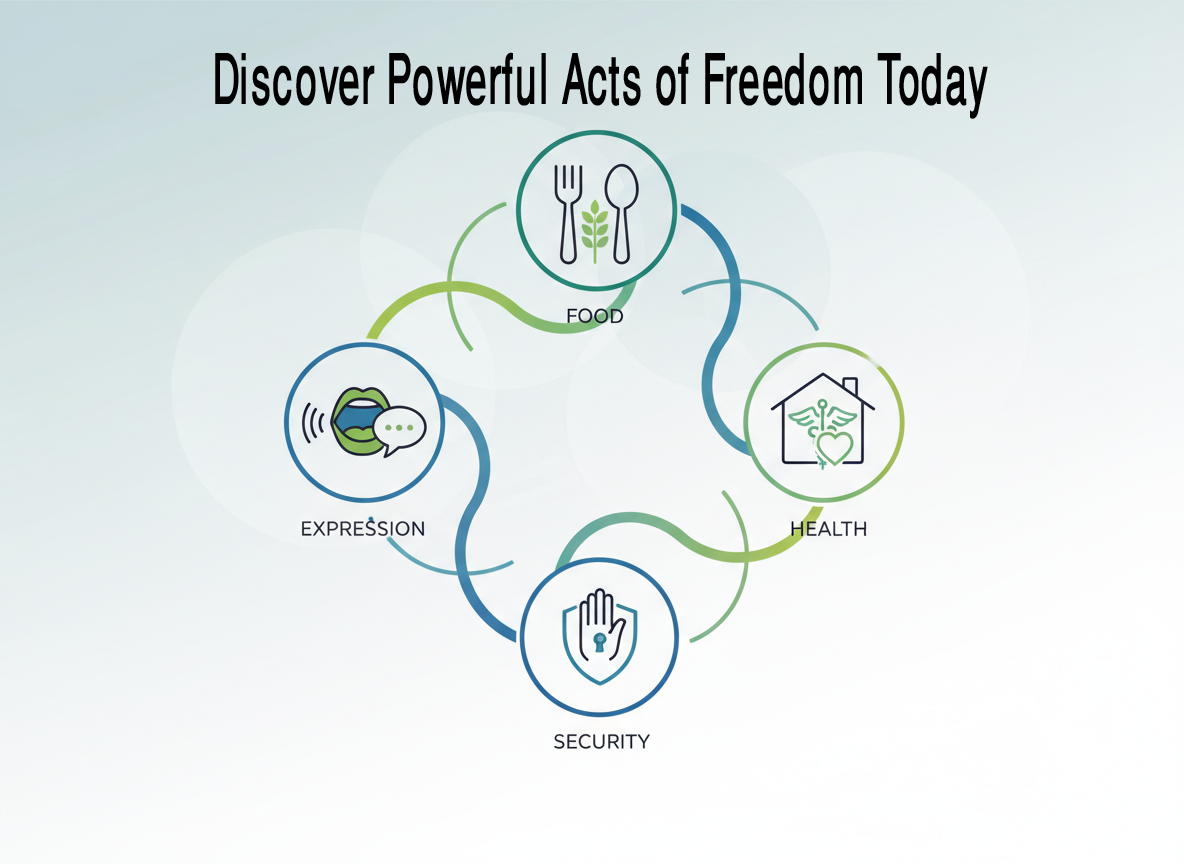
Acts of freedom shape our daily lives in profound ways. Moreover, understanding these fundamental principles helps us appreciate the liberties we often take for granted. In the United States, freedom represents more than just a concept. It embodies the core values that define our society. Furthermore, acts of freedom encompass both grand gestures and small daily choices. Therefore, exploring the five types of freedom reveals how deeply these principles influence our existence. Additionally, recognizing human acts right empowers us to make conscious moral decisions. Consequently, this comprehensive guide examines the essential freedoms that protect our way of life.
Throughout history, people have fought to preserve their liberties. Similarly, today’s generation continues this legacy through everyday actions. Indeed, small acts of freedom create ripples that transform communities. Meanwhile, understanding the relationship between freedom and morality strengthens our ethical foundation. Thus, this article explores various dimensions of liberty and personal autonomy.
What Are the 5 Types of Freedom?
The concept of five freedoms originated from animal welfare science. However, it has evolved to encompass broader human rights principles. Specifically, these freedoms provide a framework for evaluating well-being and dignity. Let’s explore each freedom in detail.
- Freedom from Hunger and Thirst
This fundamental freedom ensures access to nutritious food and clean water. Consequently, it forms the foundation of human survival. In modern society, food security programs protect this essential right. Moreover, organizations worldwide work tirelessly to eliminate hunger. Therefore, this freedom remains a critical human rights priority.
- Freedom from Discomfort
Everyone deserves appropriate shelter and comfortable living conditions. Additionally, this freedom includes protection from extreme weather and unsafe environments. Furthermore, adequate housing represents a basic human need. Thus, communities must ensure accessible, safe living spaces for all residents.
- Freedom from Pain, Injury, or Disease
Healthcare access embodies this crucial freedom. Similarly, preventive medicine and timely treatment protect our well-being. Moreover, mental health services play an equally important role. Therefore, comprehensive healthcare systems support this fundamental right. Indeed, physical and mental wellness enables people to pursue their goals freely.
- Freedom to Express Normal Behavior
This freedom allows individuals to live authentically. Additionally, it protects cultural practices and personal expression. Furthermore, social connections and community engagement fall under this category. Consequently, societies thrive when people can express themselves freely. Meanwhile, respecting diverse lifestyles strengthens our collective fabric.
- Freedom from Fear and Distress
Mental well-being requires freedom from psychological suffering. Moreover, safe environments free from violence and intimidation support this freedom. Additionally, emotional security enables personal growth and development. Therefore, creating supportive communities protects this essential right. Indeed, psychological safety forms the cornerstone of human dignity.
Key Insight: These five freedoms interconnect to create a comprehensive framework for human dignity and well-being. When one freedom suffers, others inevitably face challenges too.
Understanding Human Acts Right and Moral Freedom
Human acts right refers to actions performed with knowledge and free will. Furthermore, these deliberate choices carry moral weight and ethical implications. Unlike involuntary reactions, human acts involve conscious decision-making. Therefore, understanding this distinction helps us navigate moral complexity. Additionally, philosophical perspectives on free will deepen our comprehension of moral responsibility.
The Morality of Human Acts
Moral acts require three essential elements: knowledge, freedom, and voluntariness. Specifically, we must understand our actions’ nature and consequences. Moreover, we need genuine freedom to choose between alternatives. Finally, our will must consent to the action without external coercion. Consequently, these components determine moral accountability.
The freedom moral act concept emphasizes that true morality exists only with genuine liberty. Indeed, forced actions lack moral character because they bypass free will. Therefore, protecting freedom becomes essential for ethical society. Meanwhile, education about moral reasoning strengthens our decision-making capacity.
Three Categories of Human Acts
Philosophers classify human acts into three categories. First, elicited acts originate directly from the will, such as loving or choosing. Second, commanded acts involve the will directing other faculties, like speaking or walking. Third, acts of man occur without deliberation, such as breathing or digesting. Notably, only the first two categories carry moral significance.
What Are the Five Essential Freedoms in America?
The First Amendment protects five fundamental freedoms that define American democracy. Specifically, these liberties safeguard our ability to think, speak, and act freely. Moreover, they form the bedrock of our constitutional rights. Therefore, understanding these freedoms helps us appreciate our democratic heritage. For more information about constitutional rights, visit Rights News Time.
- Freedom of Religion
This freedom allows everyone to practice their faith without government interference. Additionally, it prevents the establishment of a state religion. Furthermore, religious liberty protects both believers and non-believers equally. Consequently, diverse faith communities coexist peacefully in America.
- Freedom of Speech
Citizens can express opinions without fear of government punishment. Moreover, this freedom extends to unpopular or controversial viewpoints. However, certain limitations exist for public safety. Nevertheless, free speech remains a cornerstone of democratic discourse. Indeed, open dialogue strengthens our society.
- Freedom of the Press
Journalists can investigate and report without government censorship. Additionally, media outlets serve as watchdogs for democracy. Furthermore, press freedom ensures transparency and accountability. Therefore, independent journalism protects all other freedoms. Meanwhile, responsible reporting maintains public trust.
- Freedom of Assembly
People can gather peacefully for protests or advocacy. Moreover, this freedom enables collective action for social change. Additionally, peaceful demonstrations express community concerns effectively. Consequently, assembly rights empower citizen participation. Indeed, organized movements have transformed American history.
- Freedom to Petition
Citizens can demand government action through various channels. Specifically, petitions, lawsuits, and direct communication enable civic engagement. Furthermore, this freedom ensures government accountability to the people. Therefore, petition rights complete the democratic feedback loop. Meanwhile, active participation strengthens representative government.
Small Acts of Freedom That Transform Lives
Small acts of freedom create meaningful change through everyday choices. Moreover, these simple decisions accumulate into significant life transformations. Indeed, personal liberty manifests through countless daily opportunities. Therefore, recognizing these moments empowers us to live more authentically. Additionally, practicing freedom in small ways builds confidence for larger decisions.
Daily Practices for Personal Freedom
Start by saying “no” to obligations that drain your energy. Furthermore, declutter your living space to create mental clarity. Additionally, choose your words intentionally to shape your reality. Moreover, move your body daily to celebrate physical capability. Consequently, these practices cultivate authentic self-expression. Meanwhile, small changes compound into profound transformations.
Breaking Free from Mental Constraints
Stop comparing yourself to others’ achievements or lifestyles. Similarly, challenge negative internal voices that limit your potential. Furthermore, free yourself from constant email notifications and digital distractions. Additionally, lean into discomfort by trying new experiences. Therefore, mental freedom requires conscious effort and practice. Indeed, liberating your mind opens countless possibilities.
Creating Space for Joy
Say yes to spontaneous invitations and joyful moments. Moreover, spend money on experiences rather than accumulating possessions. Additionally, wear your favorite clothes without saving them for special occasions. Furthermore, acknowledge your accomplishments instead of dismissing them. Consequently, embracing joy becomes an act of freedom itself. Meanwhile, happiness exists in present moments, not distant futures.
Practical Freedom Checklist
✓ Practice saying “no” to unnecessary commitments
✓ Declutter one area of your home this week
✓ Try one new activity that challenges you
✓ Limit email checking to specific times daily
✓ Celebrate a personal accomplishment today
What Are the 5 Freedoms of Life?
The five freedoms of life extend beyond legal rights to encompass holistic well-being. Specifically, these principles guide us toward fulfilling, meaningful existence. Moreover, they integrate physical, mental, and spiritual dimensions. Therefore, balancing these freedoms creates optimal life quality. Additionally, each freedom supports and reinforces the others.
Physical Freedom
Your body deserves movement, nourishment, and rest. Furthermore, physical freedom means honoring your body’s needs without guilt. Additionally, regular exercise and healthy eating support this freedom. Moreover, adequate sleep restores energy and mental clarity. Consequently, physical well-being enables all other pursuits.
Emotional Freedom
Express your feelings authentically without suppression or shame. Similarly, emotional freedom involves processing difficult emotions healthily. Furthermore, setting boundaries protects your emotional well-being. Additionally, seeking support when needed demonstrates strength, not weakness. Therefore, emotional intelligence enhances life quality significantly.
Financial Freedom
Control over your financial resources enables life choices. Moreover, financial freedom means living within your means comfortably. Additionally, it involves planning for future security while enjoying the present. Furthermore, money serves as a tool, not a master. Consequently, financial literacy empowers better decision-making.
Social Freedom
Choose relationships that nurture and support your growth. Similarly, social freedom includes leaving toxic connections behind. Furthermore, authentic relationships require mutual respect and understanding. Additionally, community involvement enriches life through meaningful connections. Therefore, quality relationships matter more than quantity.
Spiritual Freedom
Explore beliefs and values that resonate with your authentic self. Moreover, spiritual freedom encompasses religious faith or secular philosophy equally. Additionally, finding meaning and purpose drives human fulfillment. Furthermore, contemplation and reflection deepen self-understanding. Consequently, spiritual practice grounds us amid life’s chaos.
Embracing Acts of Freedom Daily
Acts of freedom shape our lives through both monumental decisions and quiet daily choices. Throughout this exploration, we’ve examined various freedom dimensions. Specifically, we’ve covered the five types of freedom, human acts right, and America’s essential constitutional liberties. Moreover, we’ve discovered how small acts of freedom transform ordinary existence. Additionally, understanding these concepts empowers conscious, ethical living.
Freedom requires active cultivation and protection. Furthermore, each generation must defend these liberties vigilantly. Meanwhile, personal freedom begins with individual choices and actions. Therefore, start practicing freedom in small ways today. Indeed, your daily decisions create ripples that extend far beyond yourself. Consequently, embracing freedom becomes both a personal journey and collective responsibility.
Remember that genuine freedom balances personal liberty with social responsibility. Moreover, our freedoms interconnect with others’ rights and well-being. Additionally, ethical decision-making considers consequences beyond immediate gratification. Therefore, mature freedom involves wisdom, compassion, and accountability. Ultimately, acts of freedom define who we are and who we aspire to become.
Take Action Today
Start your freedom journey with one small step. Choose a single practice from this article and commit to it for one week. Whether it’s saying “no” to an unnecessary obligation, trying a new experience, or simply acknowledging your accomplishments, every act of freedom matters.
Share your freedom journey with others and inspire collective growth. Together, we create communities that value and protect liberty for all.
