


How Dance Stimulates Brain Growth: The Science Behind Movement and Child Development

Advertisement
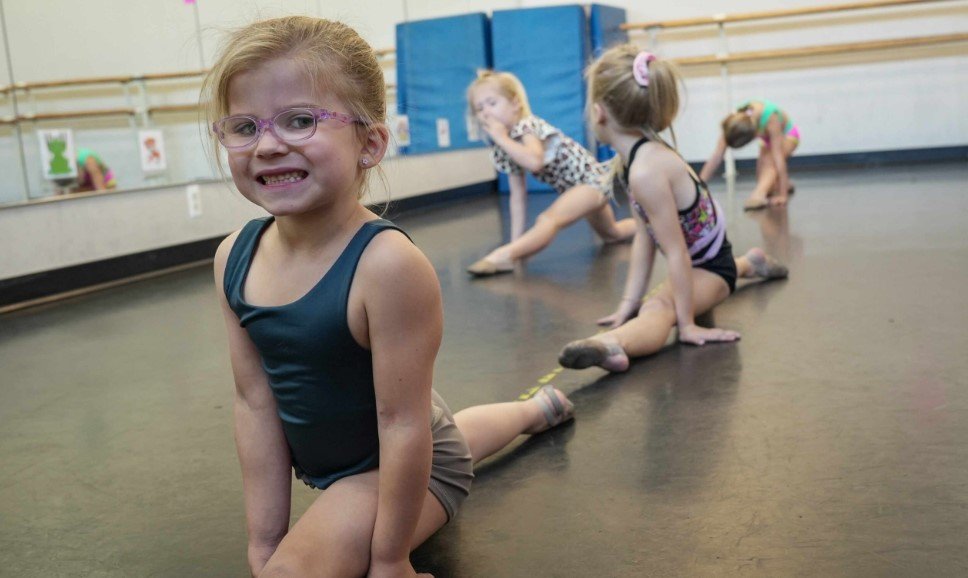
Dance is a joyful expression of movement, rhythm, and creativity — but it is also a powerful catalyst for brain development in children. While many parents and educators understand that dance builds physical coordination, fewer recognize how deeply it influences neurological growth, cognition, and emotional regulation. The connection between movement and brain development is rooted in science, showing that dance offers benefits far beyond artistry — including improvements to memory, attention, executive function, and even emotional resilience.
This article explores dance stimulates brain growth in children, identifies the key mechanisms behind this effect, and explains why incorporating dance into a child’s life contributes to healthy neurological development.
The Brain-Body Connection: Why Movement Matters
The brain and body communicate constantly. Every action we take, from walking and talking to jumping and turning, involves complex signaling pathways between muscles, sensory organs, and neural networks. Dance intensifies this connection because it requires:
-
Coordination of multiple muscle groups
-
Musical timing and rhythm recognition
-
Visual processing of space and movement
-
Emotional expression
Unlike repetitive exercise alone, dance engages diverse brain systems simultaneously. This multifaceted engagement stimulates neuroplasticity — the brain’s ability to form and reorganize neural connections throughout life, especially during childhood.
Movement and Neural Development
Children’s brains are highly adaptable. Repeated practice of coordinated movement promotes the growth of neural pathways that support cognitive and motor skills. Dance routines that involve patterns, sequences, and timing demand:
-
Motor planning
-
Memory recall
-
Spatial awareness
-
Sequencing
When children learn a series of steps or remember choreography, they repeatedly activate and strengthen neural circuits. These circuits support not only physical movement but also cognitive processes like attention and working memory.
Dance Enhances Memory and Learning Skills
When children dance, they engage both short-term and long-term memory systems:
-
Short-term memory helps them remember the next movement in a sequence.
-
Long-term memory stores complete dance routines and patterns over time.
This strengthening of memory pathways supports academic learning as well. Studies show that children who participate in movement-based activities often demonstrate better retention of new information and greater capacity for sequential thinking — properties that are valuable in school tasks like reading and math.
Stimulating the Cerebellum and Motor Cortex
Dance stimulates key parts of the brain responsible for movement and balance:
-
The cerebellum coordinates timing and rhythm
-
The motor cortex plans and executes movement
These areas interact closely with cognitive centers such as the prefrontal cortex, which governs executive functions like problem-solving, planning, and impulse control. As dance routines become more complex, these systems are strengthened through repetition and neural reinforcement.
Music and Rhythm: A Cognitive Boost
Music and movement are deeply intertwined in dance. Rhythm engages auditory processing areas in the brain, while movement stimulates motor and sensory regions. When children synchronize movement with music, they are training the brain to:
-
Recognize patterns
-
Anticipate rhythmic timing
-
Execute controlled movement
-
Adjust balance and coordination
This rhythm-based engagement enhances neural communication across multiple brain regions, improving cognitive flexibility — the ability to shift focus between tasks and adapt to new rules.
Dance Improves Executive Functioning
Executive functions include skills such as:
-
Attention control
-
Task switching
-
Working memory
-
Self-regulation
Dance requires sustained focus, especially when learning choreography or staying in sync with a group. This demand for attention and self-monitoring promotes the development of executive function, which is strongly related to academic success and emotional resilience.
Emotional Regulation and Brain-Body Interaction
Dance provides an outlet for emotional expression, which feeds directly into brain health. When children feel emotions — joy, excitement, frustration, pride — and express them through movement, they activate:
-
Emotional centers like the amygdala
-
Regulation systems in the prefrontal cortex
-
Sensory and motor networks
This emotional movement not only helps children process feelings safely but also reinforces neural connections between emotional and regulatory parts of the brain.
Building Social Cognition Through Group Dance
When children participate in group dance, they develop social cognition — the ability to understand social cues, cooperate, and coordinate with others. This social interaction stimulates:
-
Mirror neurons involved in empathy
-
Communication skills
-
Teamwork and shared focus
Group dance challenges children to synchronize movement with peers, anticipate others’ actions, and respond in real time — vital skills that translate into social competence beyond the dance floor.
Why Movement Matters for Developing Brains
In early childhood, the brain forms millions of neural connections daily. These connections are strengthened through repetition and enriched by diverse experiences. Dance uniquely accelerates this process because it combines:
-
Complex physical movement
-
Musical engagement
-
Emotional expression
-
Social interaction
-
Memory training
As a result, dance becomes a multimodal brain workout — one that supports holistic neurological growth.
Supporting Healthy Brain Growth Through Dance
Parents and educators can maximize the cognitive benefits of dance by:
Encouraging Regular Participation
Consistency matters. The more children engage in structured movement activities, the more neural pathways are strengthened.
Combining Dance With Other Learning
Movement reinforces classroom concepts. Teachers can integrate rhythm and movement into lessons on math, language, and science.
Creating Positive, Supportive Environments
Children learn best when movement feels joyful and safe, not pressured or performance-oriented.
For a deeper exploration of how dance stimulates brain development and supports growing learners, this resource offers science-based insights into the process..
The Long-Term Cognitive Benefits of Dance
Research on brain development indicates that early movement experiences have lasting effects. Children who engage in dance often demonstrate:
-
Stronger memory
-
Better attention control
-
Enhanced problem-solving skills
-
Higher emotional awareness
-
Greater social competence
These benefits are not limited to childhood. As neural pathways established in early years become foundational, they support future learning, creativity, and adaptive thinking.
Conclusion
Dance is more than a creative activity — it is a neurological builder. By engaging multiple brain regions simultaneously, dance stimulates growth, strengthens memory and executive function, and supports emotional and social development. In essence, dance stimulates brain growth by turning movement into a cognitive supercharger.
Whether parents are introducing their child to dance for fun or educators are incorporating movement into learning environments, the neurological benefits go far beyond the studio. Dance becomes a source of lifelong cognitive enrichment, emotional resilience, and social connection — nurturing young brains one step at a time.
